

Most of my hunting life I went without a rangefinder, and I killed deer anyway. I paced off distances from the ladder stand, guessed at the width of a food plot, and told myself that was close enough. Then I took on a lease where the hardwoods open into a cutover and a deer that looks 250 yards off can be 340, and I got tired of being wrong. I bought the TIDEWE Hunting Rangefinder for that one reason. More than 6,300 people had already left a 4.7 rating on it, and I wanted to know whether that held up on a real lease instead of in a review section.
I have since carried it through a full deer season on a family lease, a handful of duck mornings on public land, and a summer of scouting on the water with my granddaughter in the boat. What follows is what held up, what did not, and the honest reasons this TIDEWE rangefinder earned a spot in the console of my truck rather than the bottom of a drawer.
Stop guessing yardage on opening morning
It weighs 5.67 ounces and reads from 3 to 700 yards with a rechargeable battery. Toss it in the console and forget about it until you need a number.
Amazon Check Today's Price on Amazon →It Turns a Guess Into a Number
I had been calling the far fence post on our food plot 250 yards by pacing it off, and I was wrong every single year. The first afternoon I carried the TIDEWE I ranged that post and got 287. That is the difference between holding on the shoulder and holding on hair. You press the button and a number comes back, and the number does not care what you believed five minutes ago.
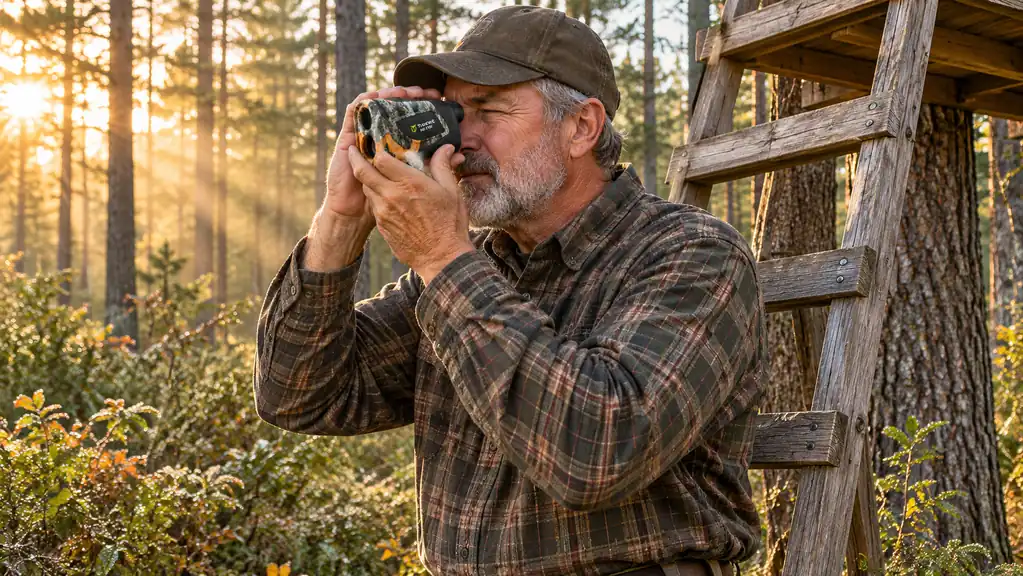
6.5x Magnification Sorts a Buck Out of the Brush
Six and a half power is the sweet spot for me. Enough to tell a doe from a button buck at 200 yards in gray light, not so much that the whole picture shakes apart when my hands are cold. I brace my elbows on the stand rail and it steadies up fine. One rainy afternoon I watched a buck work a scrape line at 180 yards, and the magnification settled whether he was legal long before I ever touched a trigger.
700 Yards of Range Covers Every Shot I Would Actually Take
The rating is 3 to 700 yards, and I have tested it honestly to about 400 against a barn wall with the same number coming back three times running. In flat bright sun it gets fussy on a deer hide out past that. That is fine by me. The longest shot I have any business taking from a ladder stand in north Louisiana timber is a good deal shorter than 700, so this covers the country I hunt without working hard.
Plus or Minus a Yard Kills the Second-Guessing
The listed accuracy is plus or minus one yard. Being off by a yard at 300 does not move a bullet anywhere that matters. What matters is that the reading repeats. Range the same tree three times, get the same number, and you quit turning your own head into a debate. I have watched a grown man talk himself out of a clean shot over yardage he was estimating from memory. This ends that argument.
5.67 Ounces Rides in a Shirt Pocket All Day
It weighs 5.67 ounces and the body measures 4.13 by 2.61 by 1.49 inches, according to the listing. In plain terms, it disappears into the chest pocket of a work shirt and I forget it is there until I need it. It lives in the truck console from October through January, comes out of the included case when I climb, and goes back in when I get down. I have carried heavier things on a lanyard and regretted every one by noon.
Rechargeable Battery, No Drawer Full of Dead Coin Cells
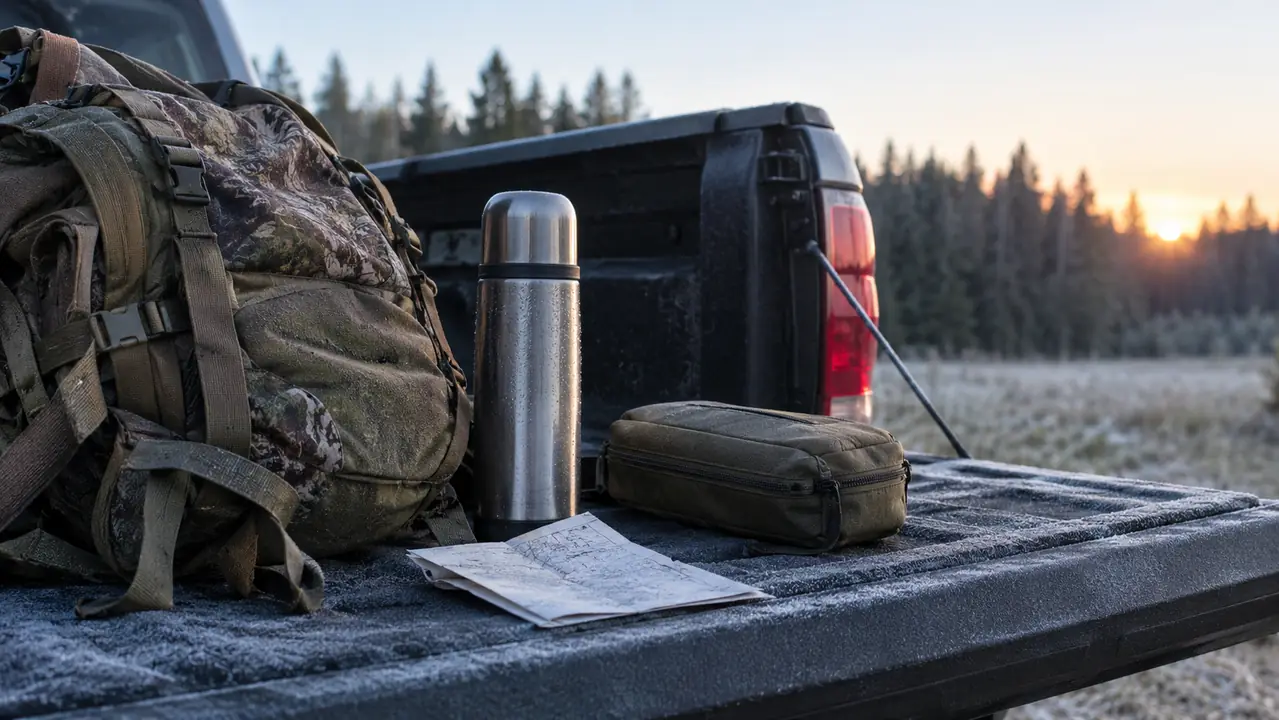
The TIDEWE runs on a rechargeable lithium-ion battery. I top it off at the house off the same cable I charge my phone with, and one charge has carried me through a whole deer season of occasional use. My old rangefinder ate coin batteries, and I never had the right size on me when it died halfway up the ladder. This one gets plugged in when I think about it in the evening, and that is the whole maintenance routine.
IP54 Handles a Wet Morning in the Duck Blind
The protection rating is IP54 and the listing calls it waterproof. I will be straight with you. I have had it out in a misting rain for two hours and it kept reading every time. I have not dunked it in the bayou and I do not intend to find out. Wet hands and a damp jacket pocket it shrugs off. If you hunt standing water from a layout blind, put it in a zip bag anyway. That advice costs nothing.
Horizontal and Vertical Distance, Which Matters From a Stand
It gives straight-line, horizontal and vertical distance as separate readings, and that matters when you are elevated. The straight-line number to the base of a tree and the horizontal number to the same tree are two different figures, and the horizontal one is what you want when you are doing the geometry on a downward shot. I range a few markers when I first sit down, write the horizontal numbers on a scrap of paper, and tape it to the rail.
A Speed Reading for a Target That Will Not Stand Still
It reads speed as well, which I use less than I expected to. It earned its keep once, on a sounder of hogs crossing a logging road at a walk, when I wanted to know whether they would clear the lane before I got set. Most days I leave it on distance and never touch it. But the function is there, and a moving target is one more thing you can put a number on instead of an opinion.
A Case, a One-Year Warranty, and a Body That Forgives a Bump
It ships with a case and a one-year manufacturer warranty. The body is plastic, which is the tradeoff at this size, and I have dropped it once onto a hardwood floor at camp with nothing worse than a scuff. Treat it like an optic and not a hammer, keep it in the case when it rides in the toolbox, and it will outlast the warranty by a wide margin. That has been true of every piece of gear I ever bothered to put away.
I ranged the same white oak from the ladder stand three mornings running and got 214, 214 and 215. That repeatability is worth more than any number on a spec sheet.
What I'd Skip
Two things, and I would tell a friend both of them before he spends a dime. The TIDEWE will not replace binoculars. Do not buy this thinking you can glass a whole ridge line with 6.5 power through one eye; you will give yourself a headache and miss deer. And if you hunt open country out west where shots run past 700 yards, this is the wrong tool for you, full stop. For timber, food plots, a green field and a ladder stand in Louisiana, it is more than enough. The speed readout is a nice extra. It is not a reason to buy.
Put a real number on it before the season opens
One button press, one distance, no argument with yourself in the stand. My TIDEWE has lived in the truck console since October and I would buy it again.
Amazon Check Today's Price on Amazon →